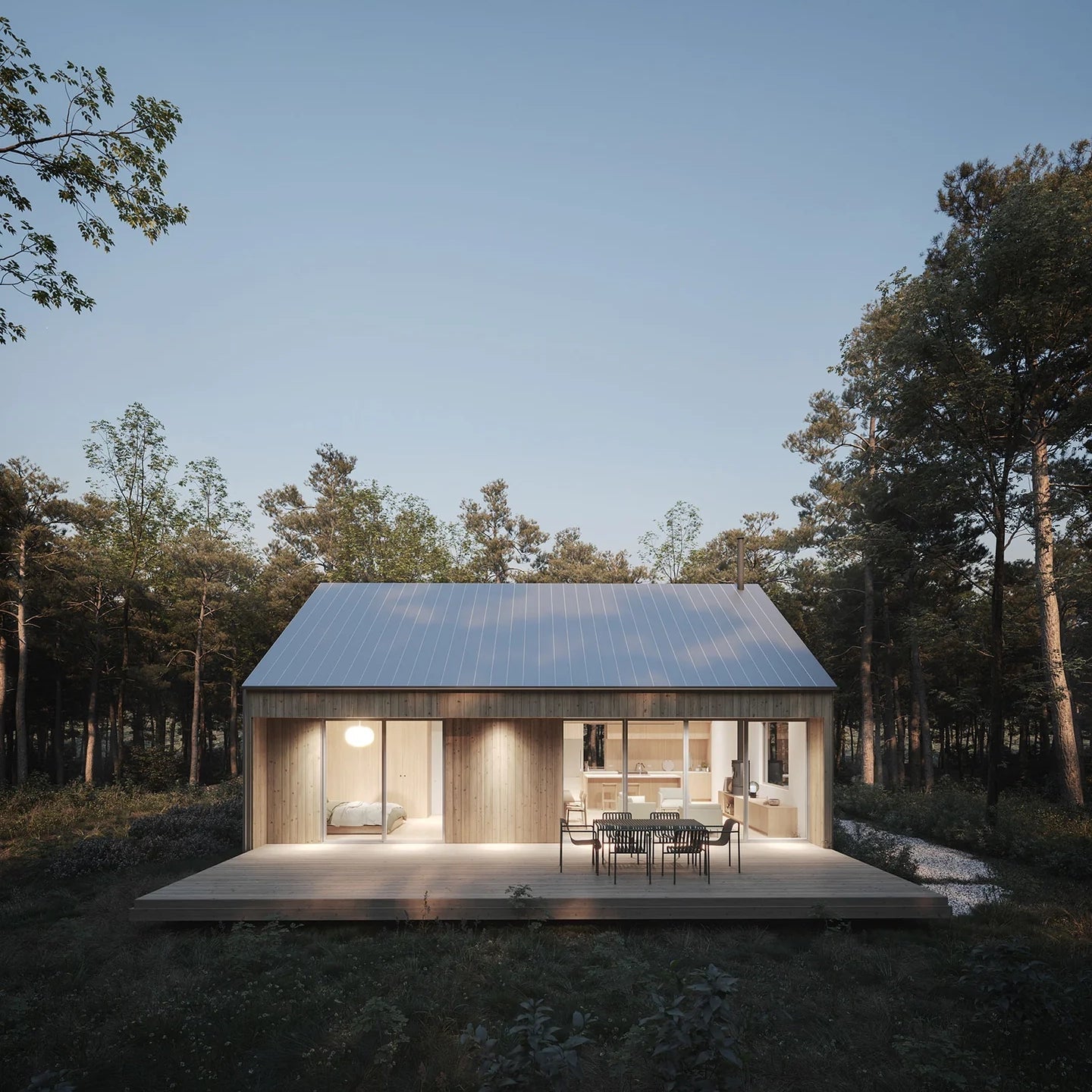
Prefab homes in Vermont
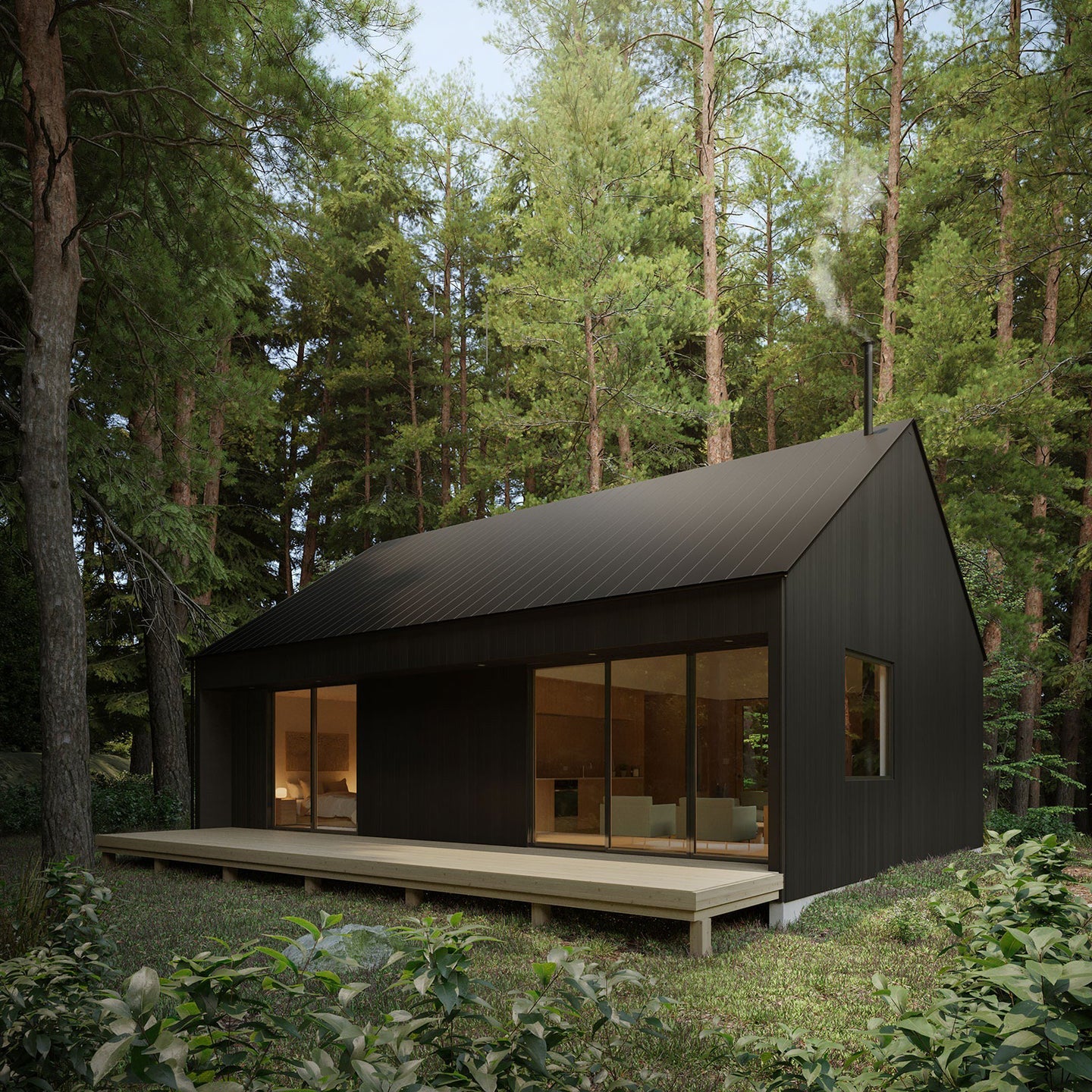
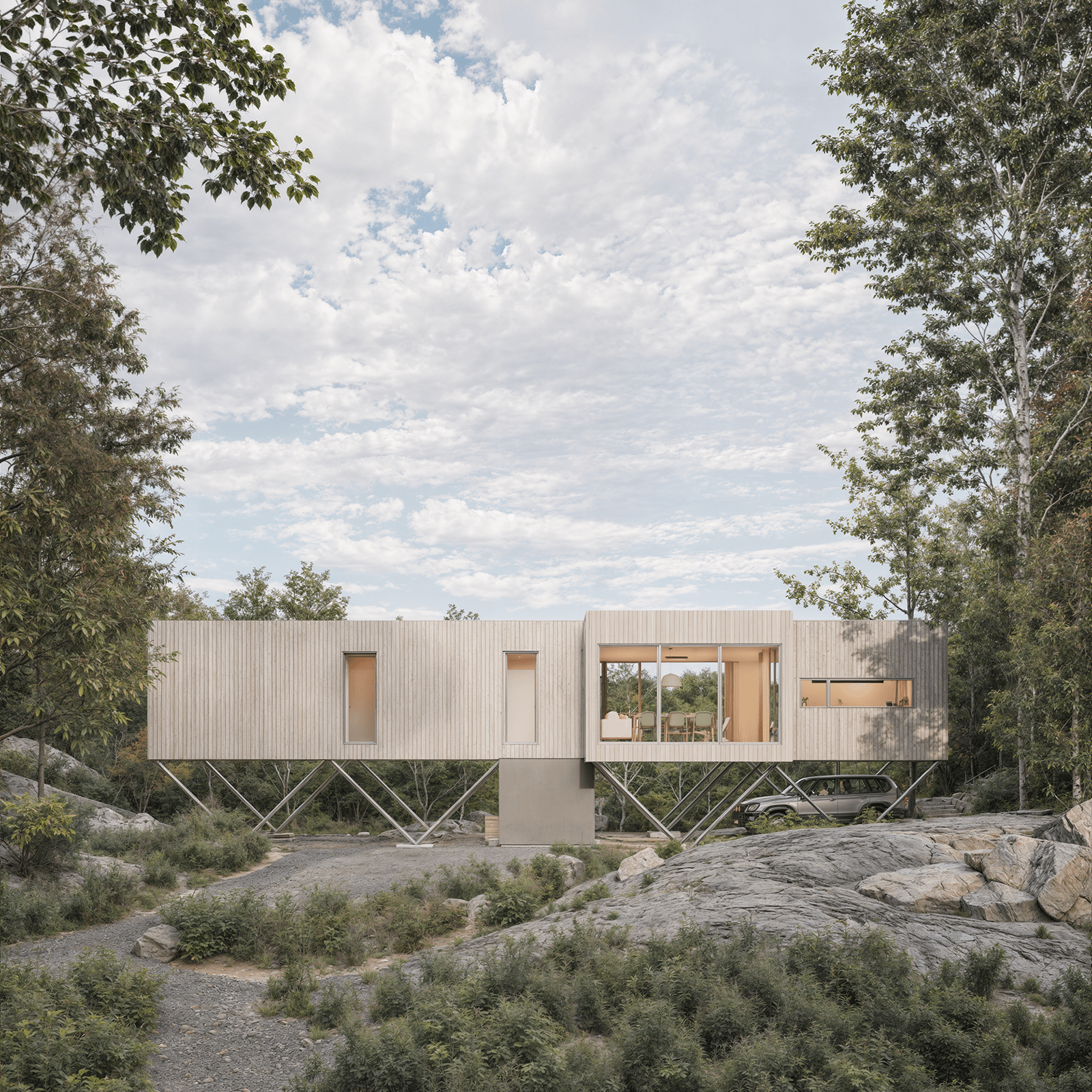
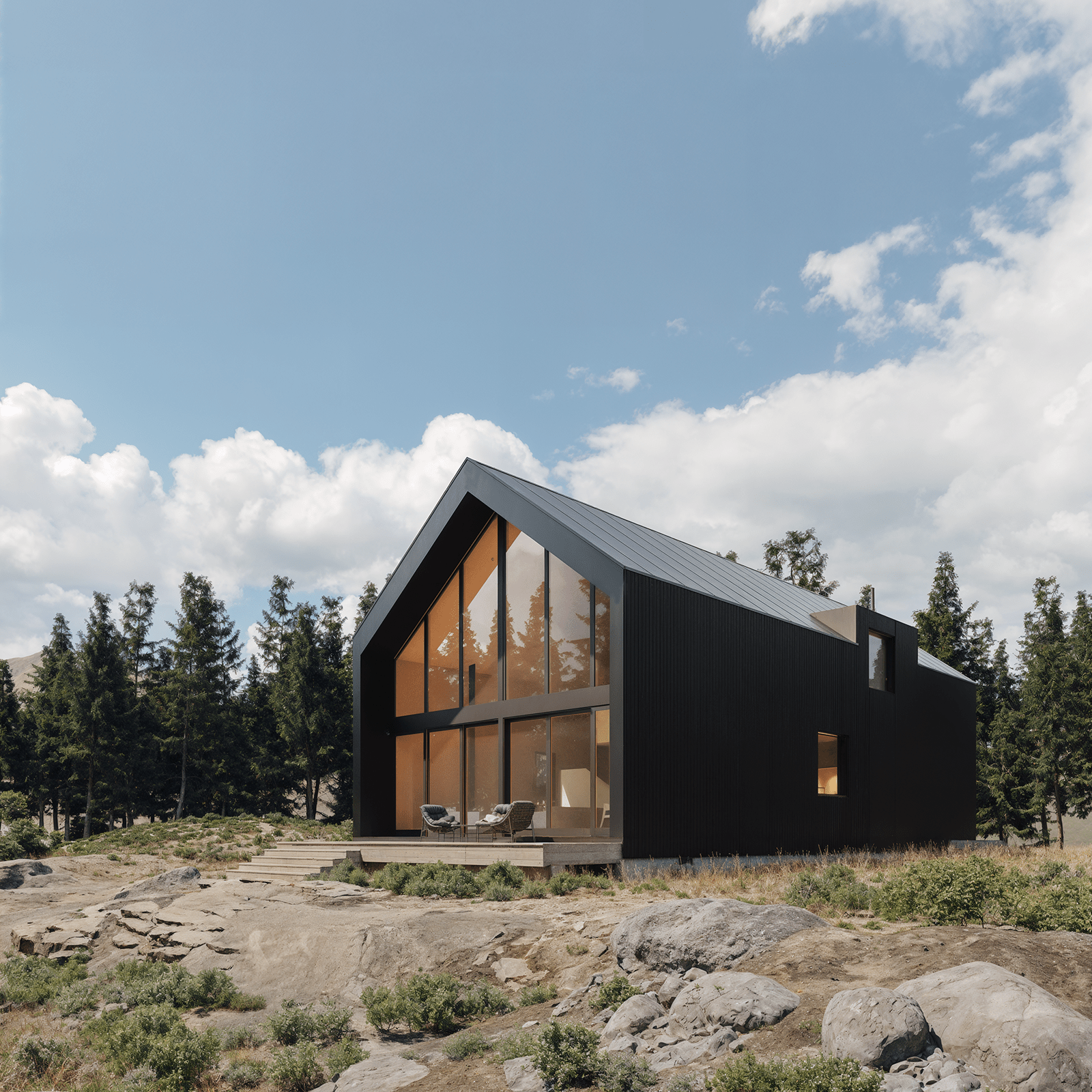
Prefab homes in Vermont built for cold climate resilience—from rural countryside and mountain locations to modern builds near Burlington, Montpelier, and Rutland. Delivered as panelized kits with stamped plans.
Browse building kits
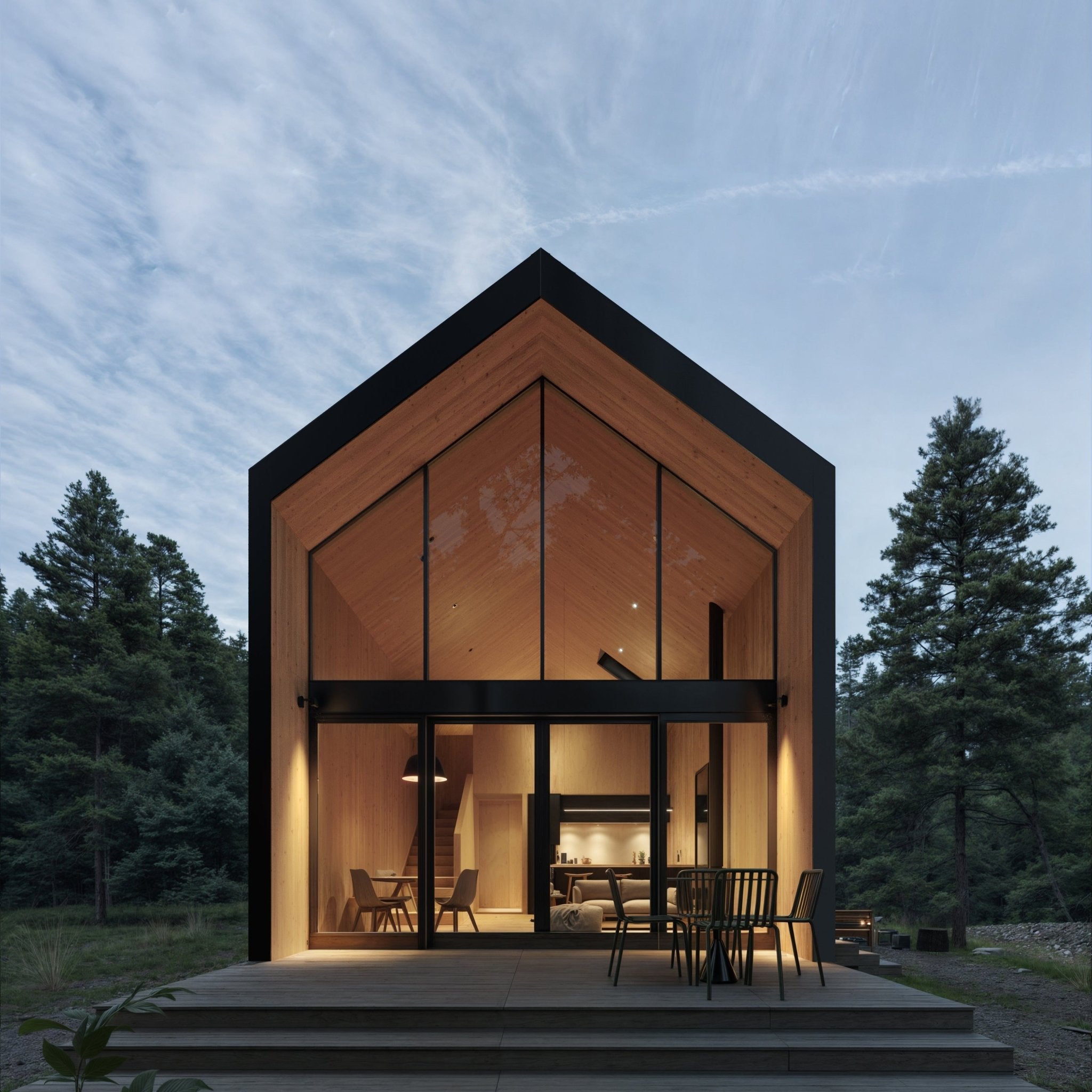
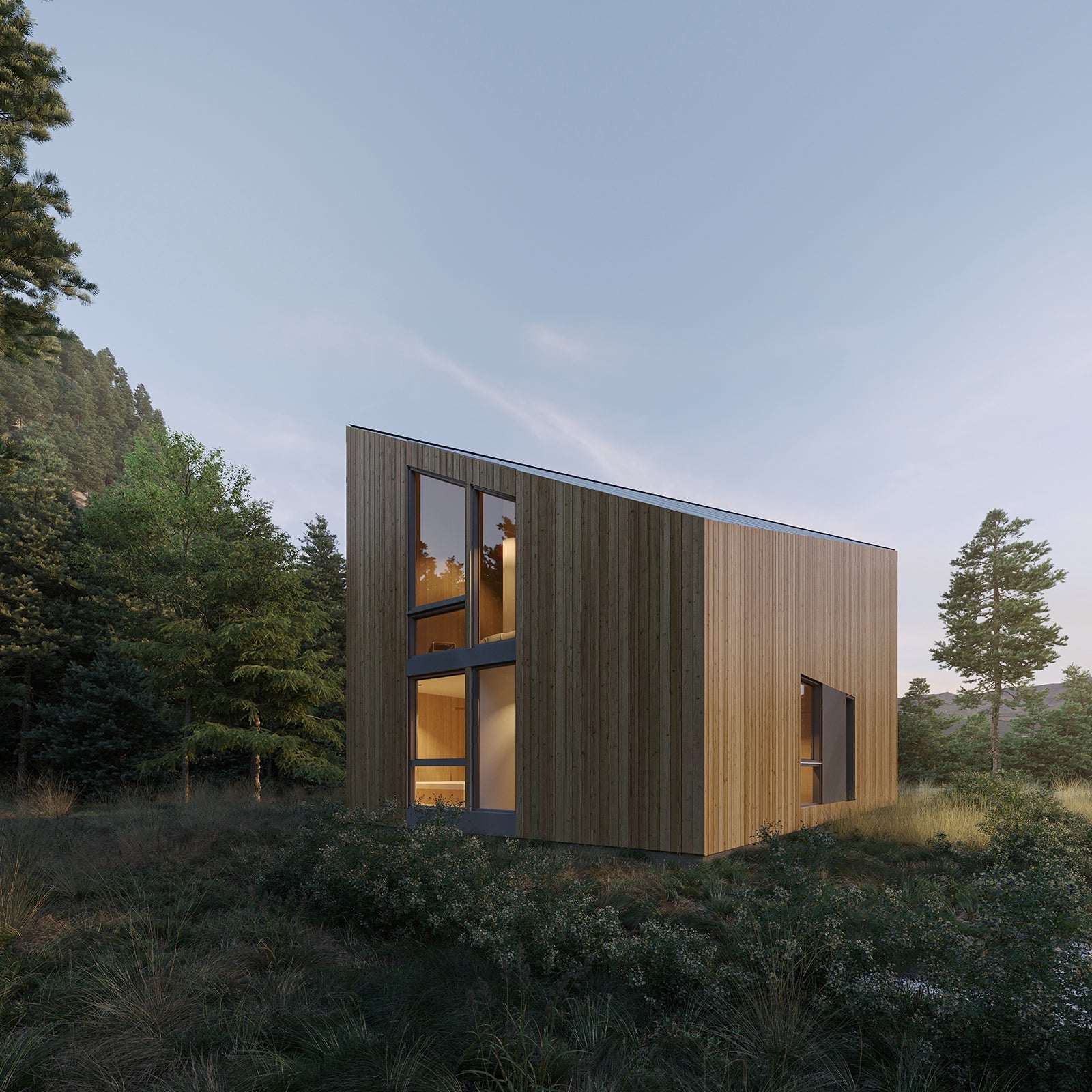


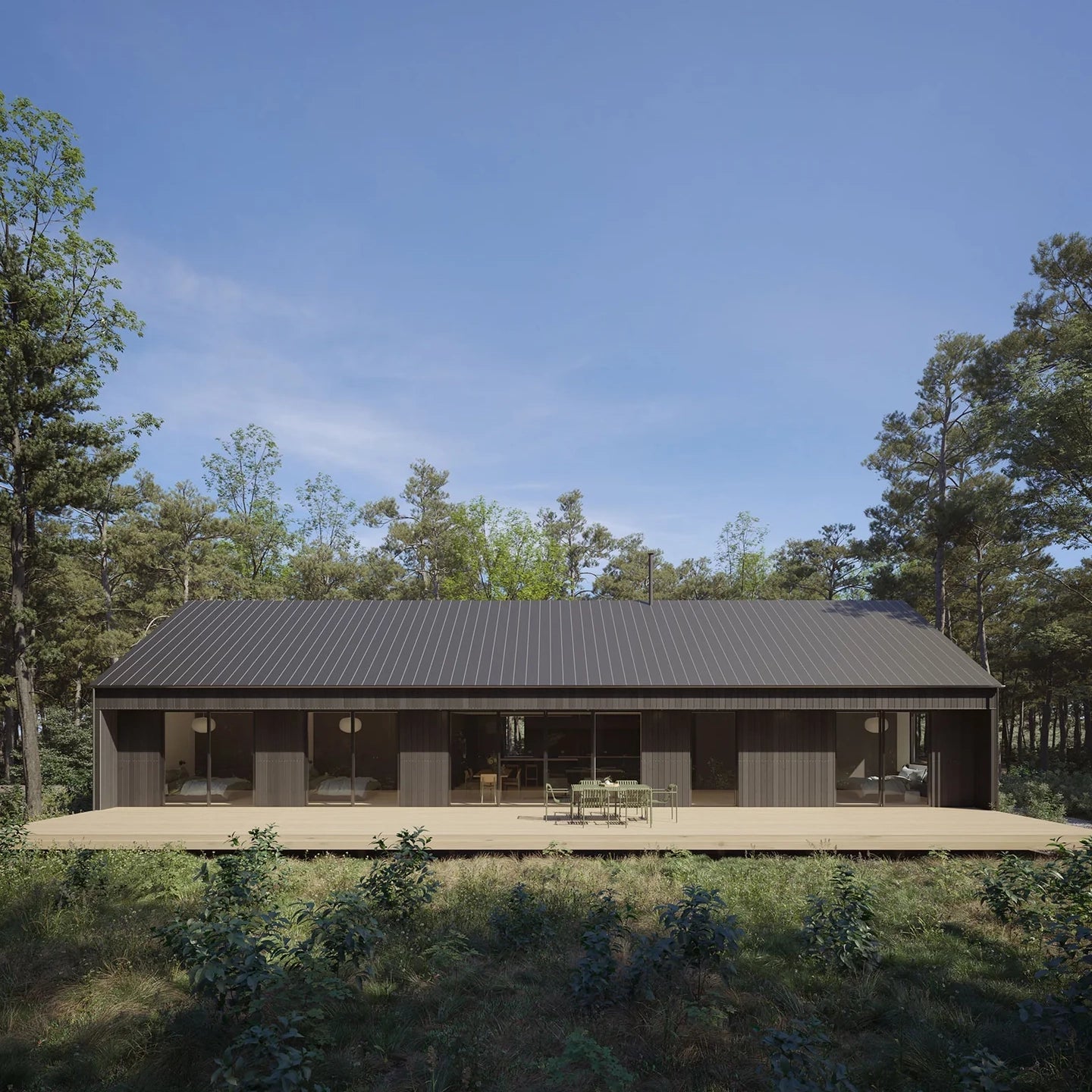
How much will it cost to build a prefab in Vermont?
Many owners budget about $180–$250 per sq ft for prefab construction in Vermont (home-only), with totals varying by finishes, site work, and location. Rural areas typically require added expenses for septic systems, well drilling, extensive site preparation, and foundation considerations for Vermont's climate extremes, frost depth requirements, and stringent energy code compliance. Higher material and labor costs are common throughout the state.
Vermont Prefab Resources
Custom Liquid
Zoning & Permits
Vermont enforces the 2015 Vermont Fire and Building Safety Code statewide. The Division of Fire Safety adopts, amends, and enforces fire and building safety codes to ensure compliance with safety standards. The UpCodes Vermont Building Codes resource provides comprehensive information. Local jurisdictions enforce state codes and may have additional zoning requirements. Contact your local planning or zoning office for site-specific requirements.
Off-Grid & Rural Builds
For rural builds not connected to public sewer, wastewater systems (septic systems) are regulated by the Vermont Department of Environmental Conservation under the Wastewater System and Potable Water Supply Rules. Since July 1, 2007, Vermont has universal jurisdiction over all new wastewater systems and potable water supplies. Permits are required for new construction, subdivisions, and system repairs. Systems must be designed by a Professional Engineer or Certified Site Technician and approved through regional offices.
Energy Code & Efficiency
Vermont has stringent energy standards under the Residential Building Energy Standards (RBES), mandatory statewide since 1997. The current RBES effective July 1, 2024 is based on the 2015 IECC with improvements from the 2018 and 2021 IECC. Vermont also offers a more stringent Stretch Code for Act 250 projects and municipalities. The Vermont Department of Public Service provides comprehensive information. Energy code compliance is required for all new residential construction and additions. Vermont's energy standards are among the most rigorous in the nation.
Local Zoning Tools
Zoning in Vermont is administered at the municipal level, with many developments also subject to Act 250 review for environmental impacts. Each municipality enforces its own zoning ordinances for dimensional requirements, setbacks, and land use. Some projects may require review under Act 250, Vermont's land use and development law. Contact your local planning commission or zoning administrator for site-specific requirements. The Building Codes Assistance Project Vermont provides additional guidance on state building and energy codes.
Tip
If you're unsure about your parcel's status—whether it requires wastewater system approval through DEC, falls under Act 250 jurisdiction, or needs specific foundation requirements for Vermont's climate and frost depth—contact your local zoning administrator, regional DEC office, or town planning department directly. Vermont has rigorous energy code and environmental requirements. The resources above are a great place to start.