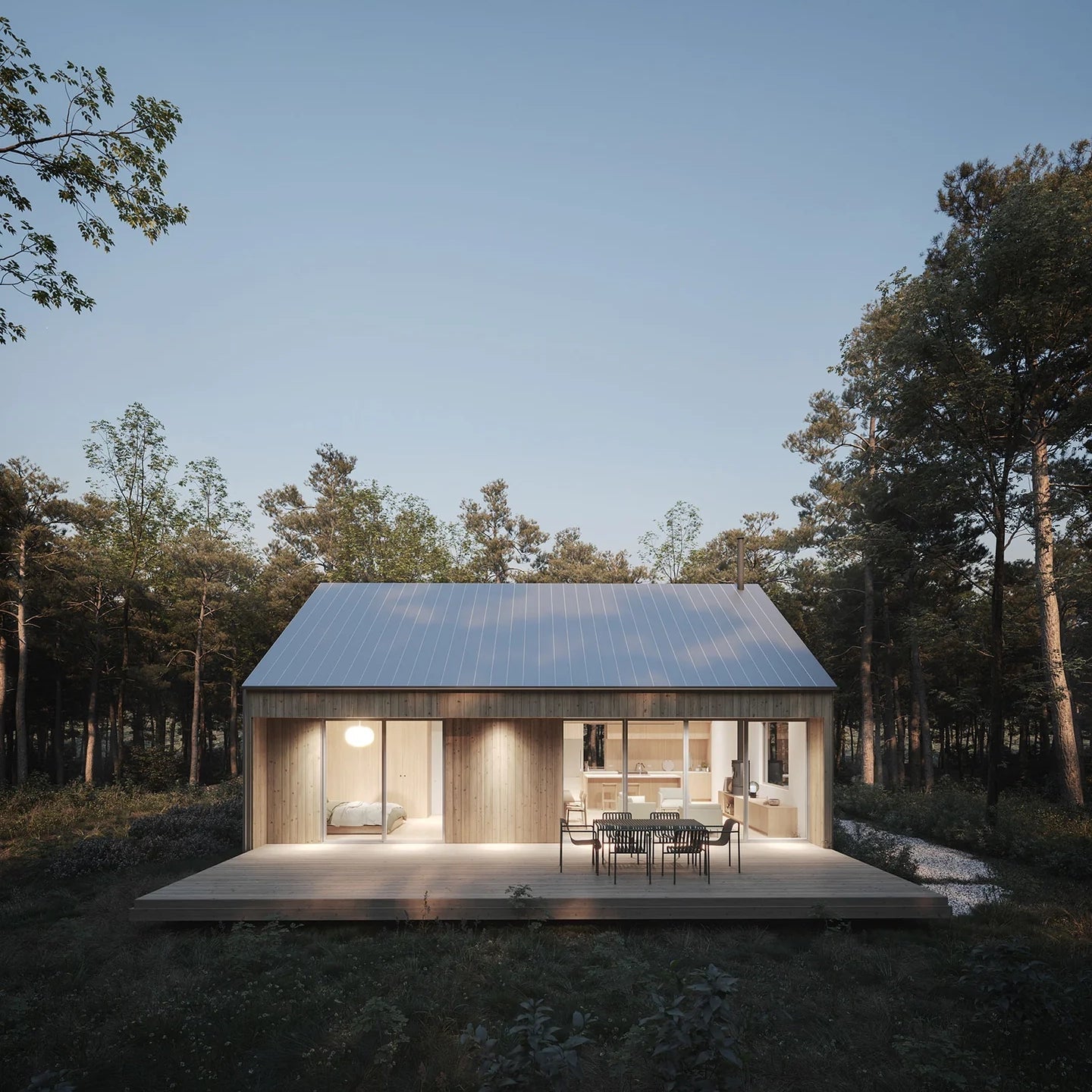
Prefab homes & building kits in Indiana
Prefab homes in Indiana engineered for Midwest climates—from kit homes near Indianapolis and Brown County retreats to modern builds in Fort Wayne and Bloomington. Delivered as panelized kits with stamped plans.
Browse building kits
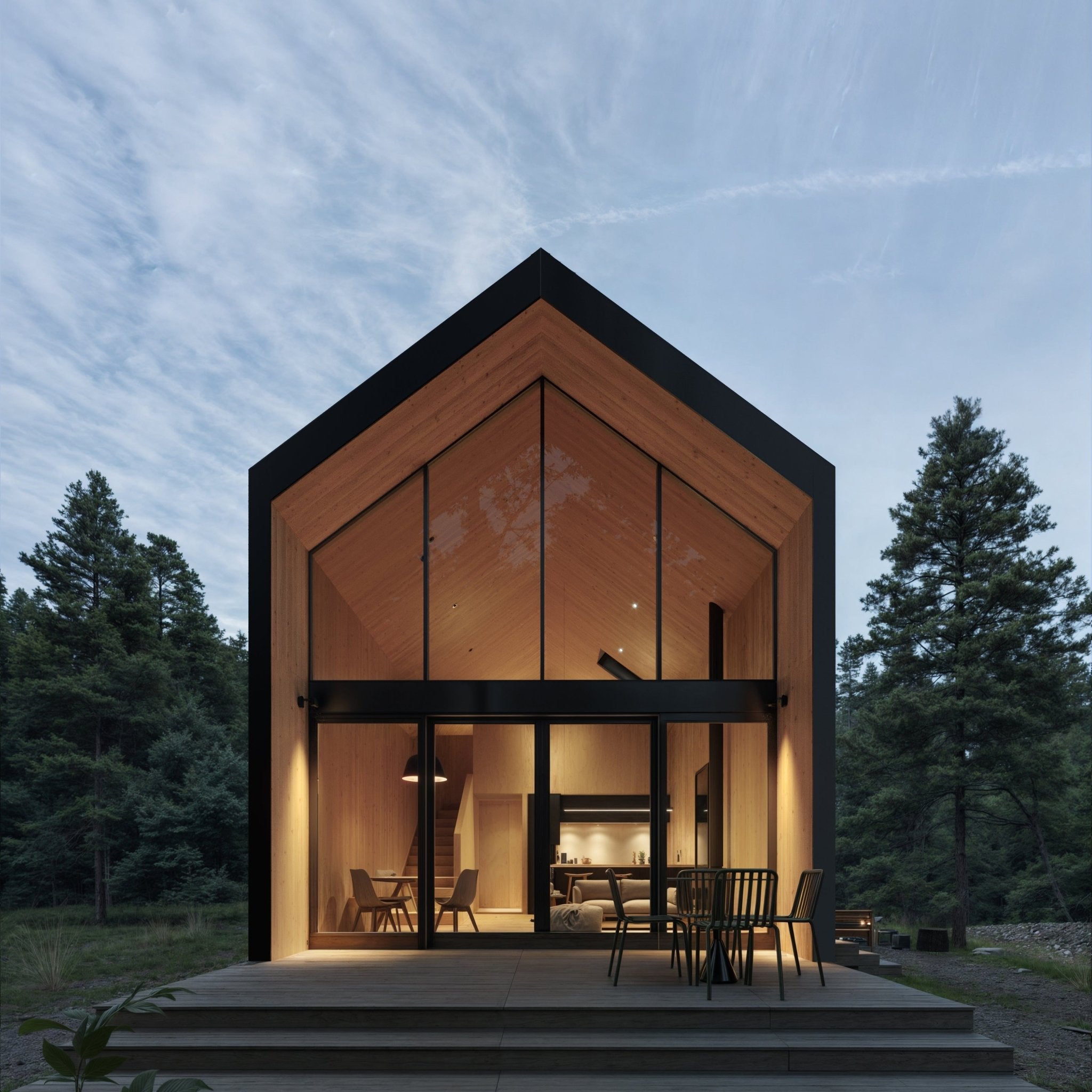
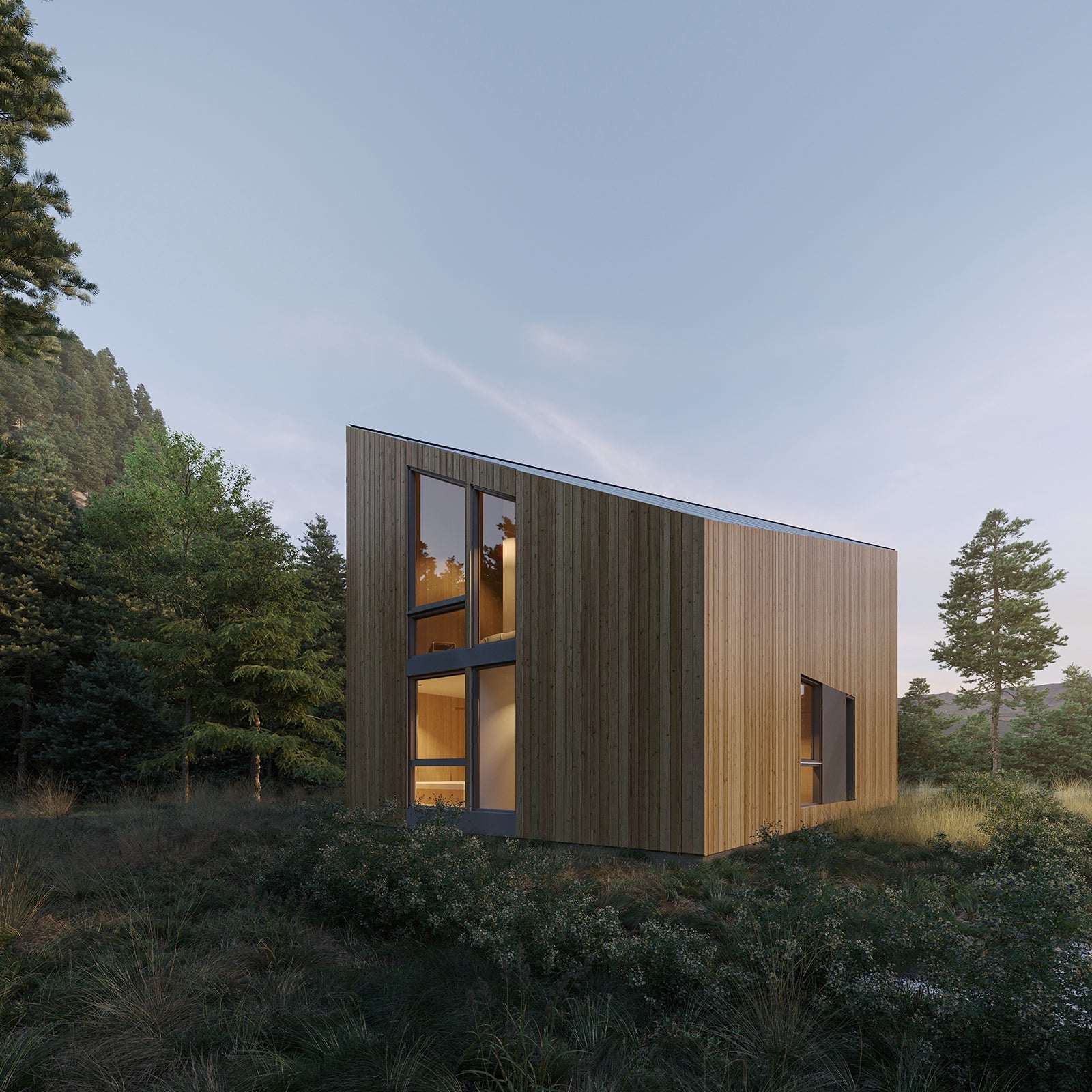


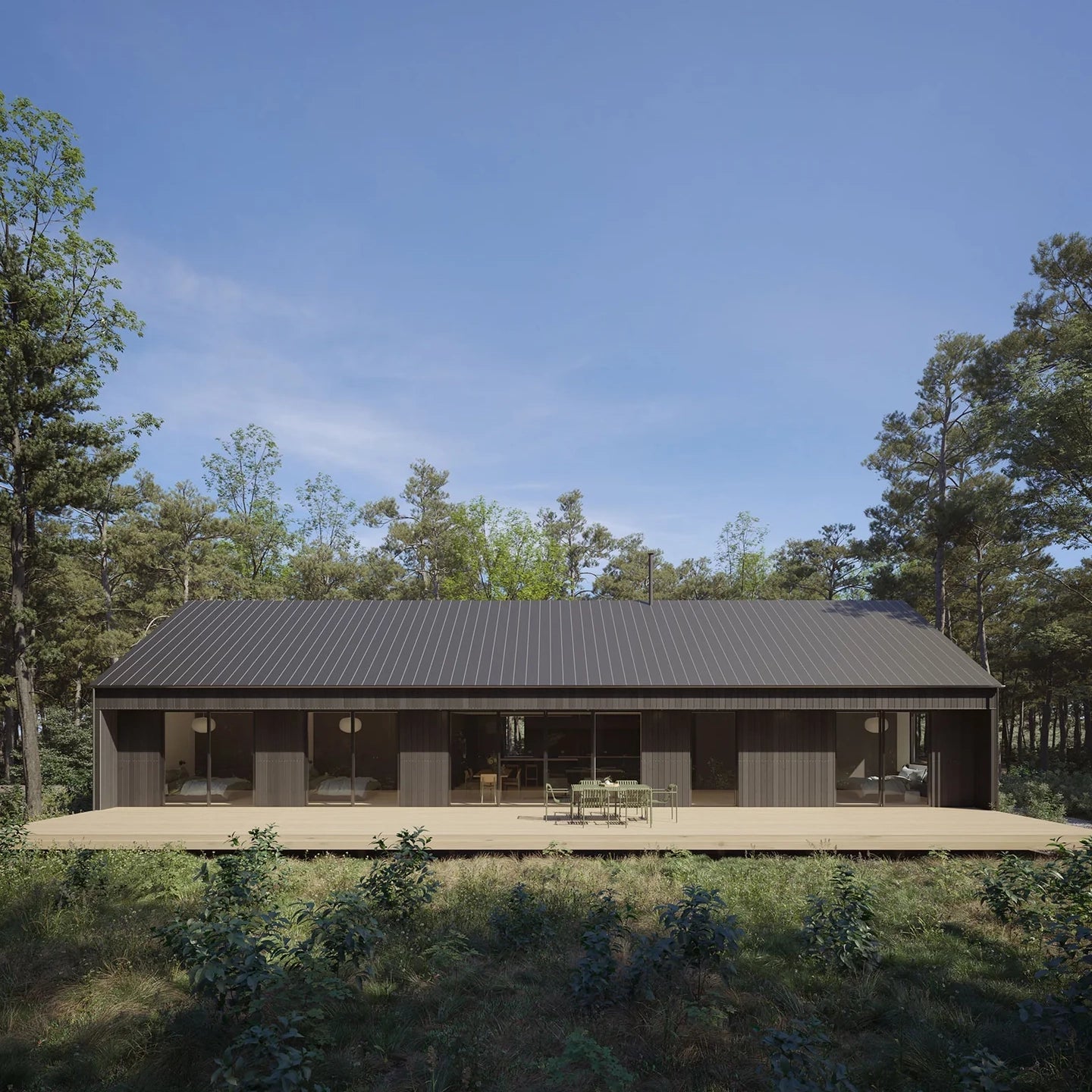
How much will it cost to build a prefab in Indiana?
Many owners budget about $150–$225 per sq ft for new construction in Indiana (home-only), with totals varying by finishes, site work, and location. Metro areas like Indianapolis, Fort Wayne, and Carmel can add permitting, utility, and labor costs; rural areas may require added expenses for septic, foundations, or soil stabilization.
Indiana Prefab Resources
Custom Liquid
Zoning & Permits
Indiana requires residential building permits at the city or county level. Most jurisdictions have adopted the 2020 Indiana Residential Code based on the 2018 IRC with state amendments. Always check with your local building department for site-specific requirements.
Off-Grid & Rural Builds
For rural builds, septic permits are required through your local county health department. Indiana regulates onsite sewage systems through state rule 410 IAC 6-8.3, with permitting and inspection handled at the county level.
Energy Code & Weatherization
Indiana follows the 2018 International Energy Conservation Code (IECC) with state amendments for residential construction. Requirements address insulation, HVAC efficiency, and building envelope standards for Midwest climates. Enforcement is handled at the local level.
Local Zoning Tools
Zoning and land use in Indiana vary by municipality and county. The Indiana Zoning Atlas provides comprehensive zoning data and local ordinances. Contact your city or county plan commission for site-specific zoning rules.
Tip
If you're unsure about your parcel's status—whether it requires septic approval, falls under specific zoning restrictions, or needs soil testing—contact your local building department or county health department directly. In Indiana, counties like Marion, Hamilton, Lake, and rural counties across the state all enforce different rules. The resources above are a great place to start.