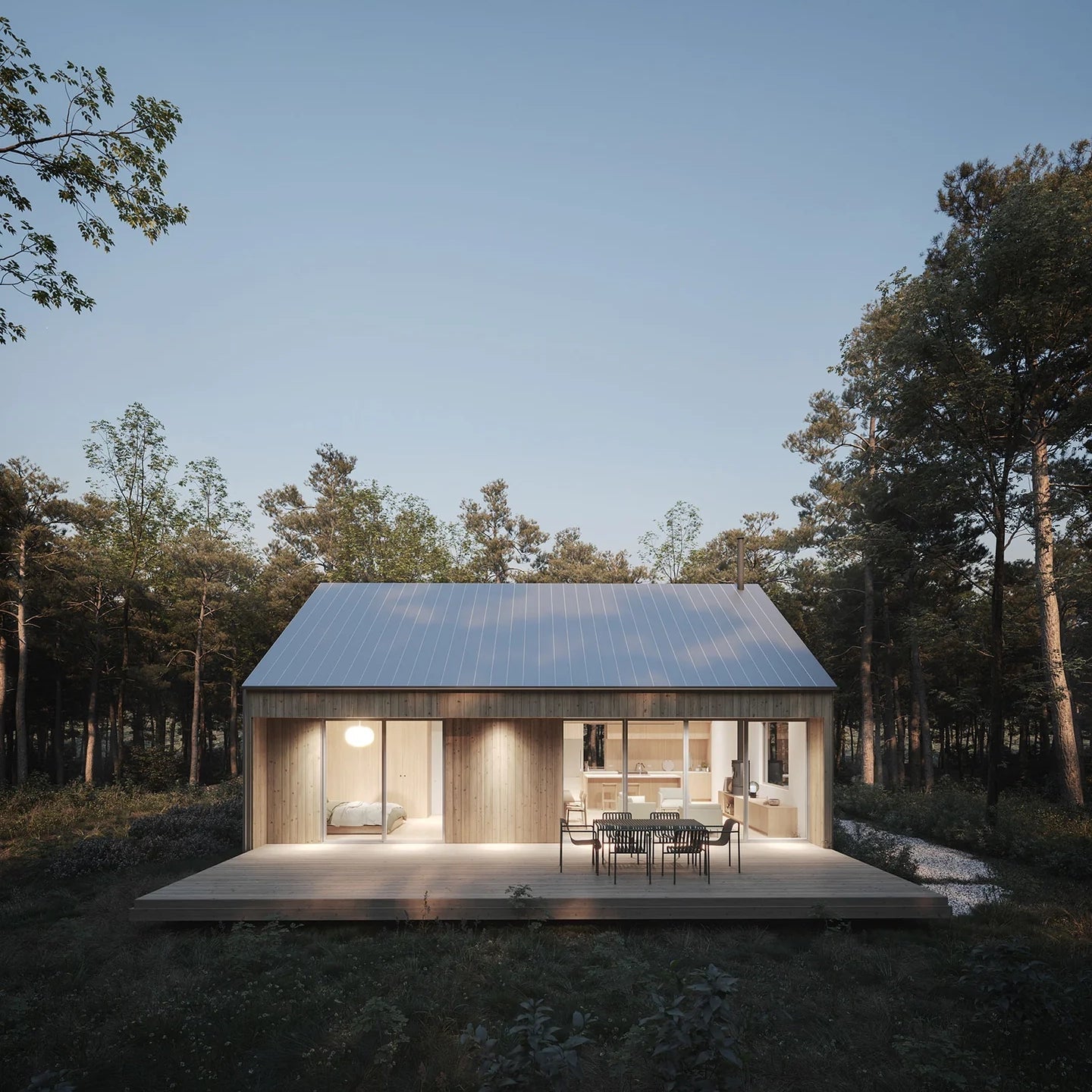
Prefab homes in Connecticut
Prefab homes in Connecticut engineered for New England climates—from coastal builds in Fairfield County and Litchfield Hills retreats to modern homes in Hartford and New Haven. Delivered as panelized kits with stamped plans.
Browse building kits




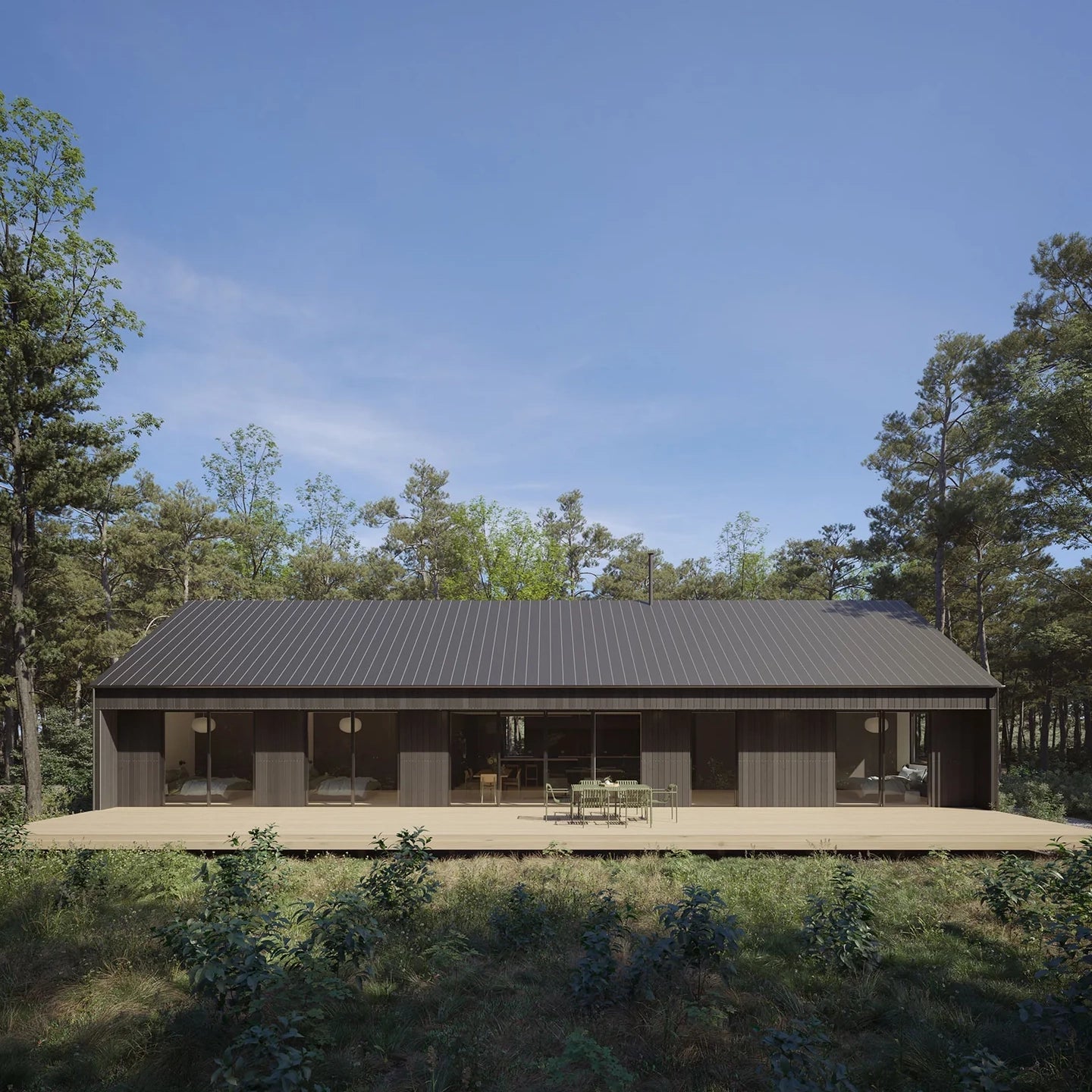
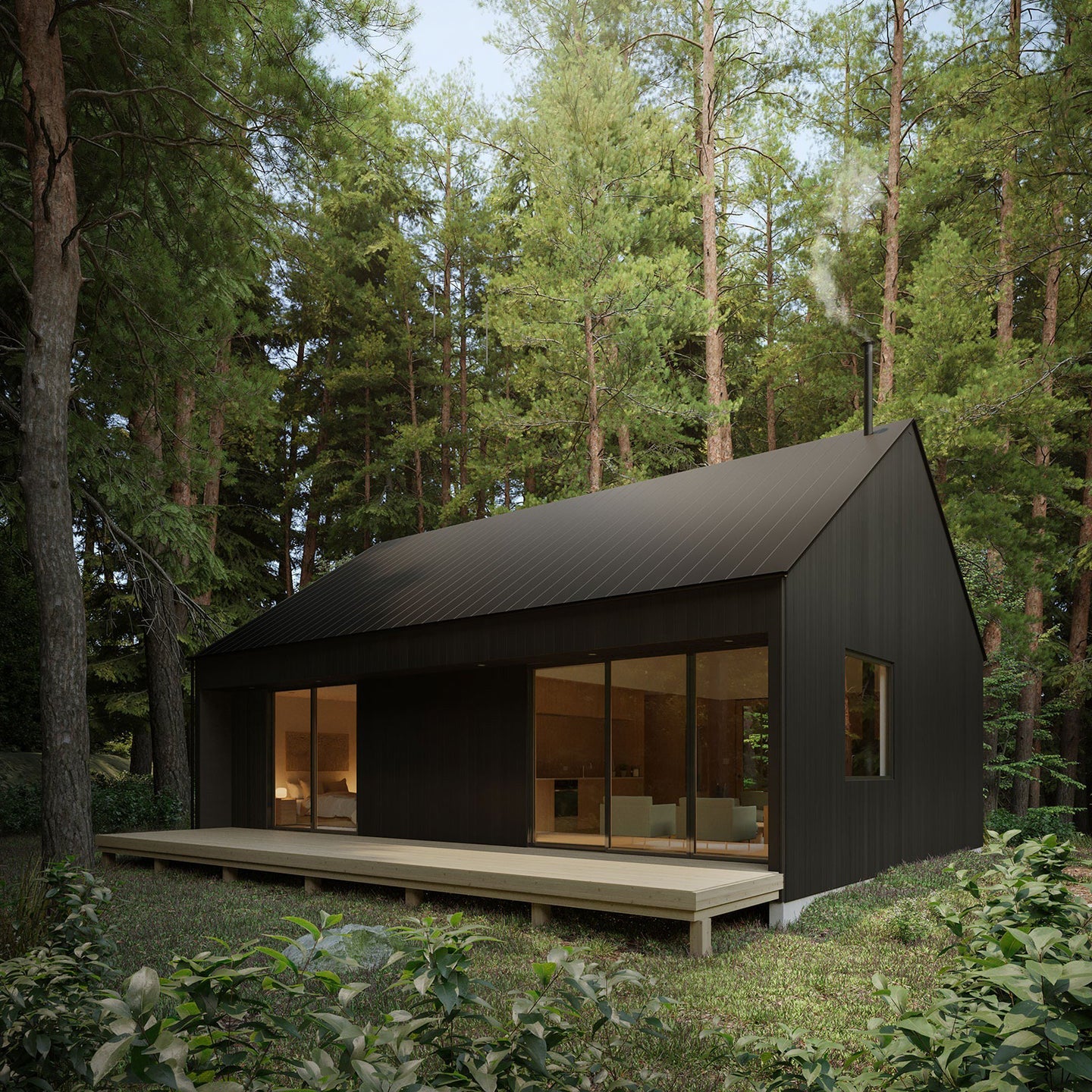
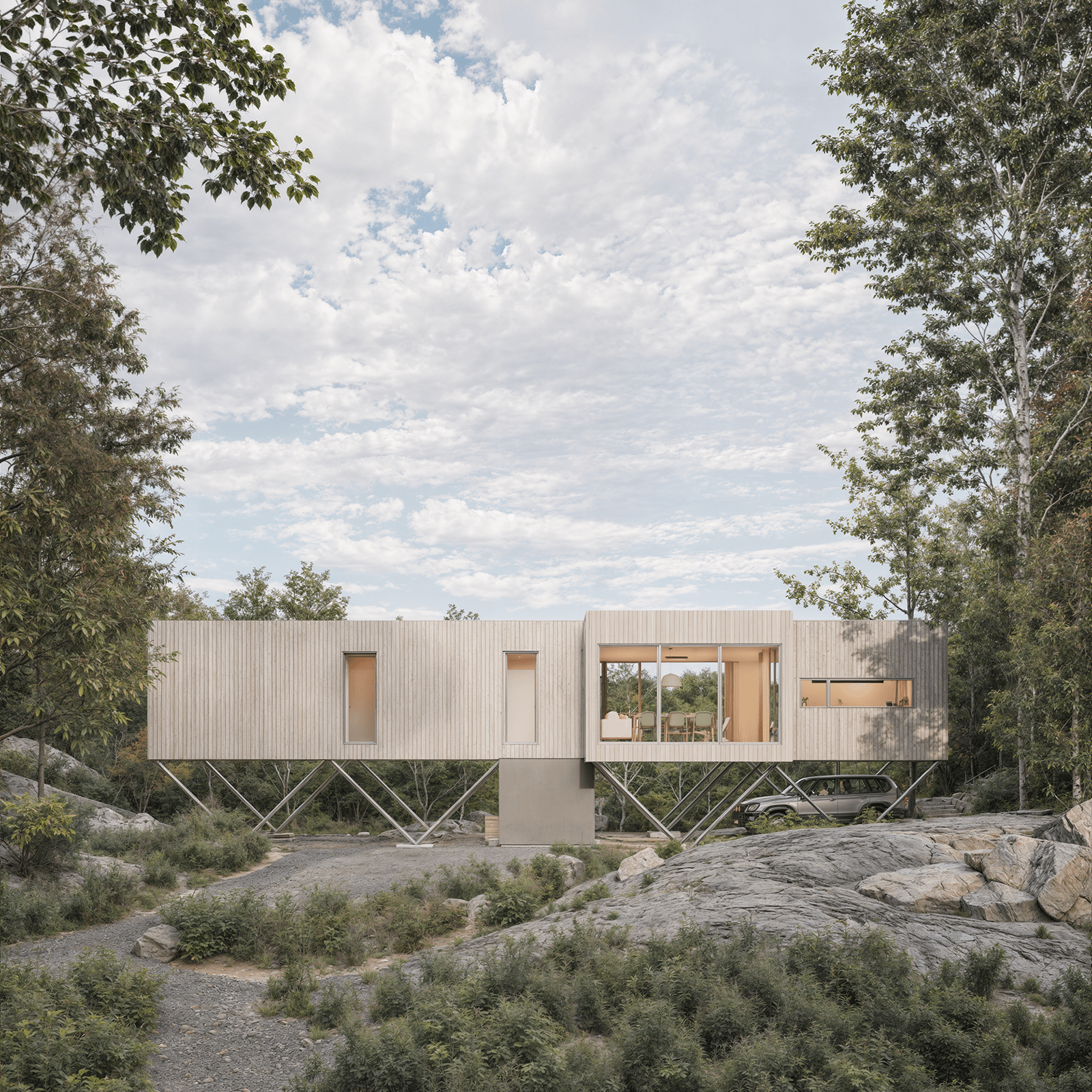

How much will it cost to build a prefab in Connecticut?
Many owners budget about $175–$275 per sq ft for prefab construction in Connecticut (home-only), with totals varying by finishes, site work, and location. Metro areas like Stamford, Hartford, and New Haven can add permitting, utility, and labor costs; rural or coastal areas may require added expenses for septic, foundations, or coastal site plan review.
Connecticut Prefab Resources
Custom Liquid
Zoning & Permits
Connecticut requires residential building permits issued by local municipalities, using a statewide code framework. The state adopts and administers the Connecticut State Building Code (based on ICC model codes with state amendments). Always verify local requirements with your municipal building official.
Off-Grid & Rural Builds
For rural builds, septic systems are regulated through local health departments under Connecticut Department of Public Health oversight. Subsurface sewage disposal systems must follow Connecticut Public Health Code requirements and technical standards administered by DPH—see DPH Subsurface Sewage. Private well permitting and testing is also handled at the municipal level.
Energy Code & Weatherization
Connecticut enforces a statewide energy code as part of the State Building Code framework. The Office of the State Building Inspector publishes guidance and interpretations for energy code compliance—see International Energy Conservation Code (IECC) Interpretations. Check with your local building department for the applicable edition based on your permit application date.
Local Zoning Tools
Zoning in Connecticut is administered town by town. Municipal land-use rules are typically implemented through local planning and zoning commissions, with town plans updated on a statutory cycle. The state maintains guidance on municipal planning through OPM—see Municipal Plans of Conservation and Development. Contact your local Planning & Zoning Department or Zoning Board of Appeals for site-specific dimensional requirements and use regulations.
Tip
If you're unsure about your parcel's status—whether it needs septic sign-off, falls under wetlands jurisdiction, or requires special review—start with your town's Building Department and local Health Department. Many Connecticut towns also regulate work in and around wetlands through municipal inland wetlands agencies—see DEEP's overview of municipal inland wetlands permitting. The resources above are a great place to start.